Denmark Street Logo
Contact
Book now

Tooth Extraction

Tooth extraction can be required for various reasons, such as significant damage or advanced decay. As one of the most frequently performed dental procedures, extracting a tooth can help remove harmful bacteria and enhance your overall oral health.

What is a tooth extraction?

A tooth extraction is a dental intervention that involves the complete removal of a tooth from its alveolar socket in the jawbone. This procedure is often colloquially referred to as “pulling” a tooth and may be necessary for various reasons, including severe decay, infection, overcrowding, or damage that cannot be repaired through other dental treatments.

When is tooth extraction recommended?

Tooth extraction is typically advised under specific circumstances when preserving natural teeth is no longer feasible. Dental professionals prioritise the conservation of teeth, yet there are instances where restorative treatments like fillings or crowns fail to address the extent of damage. If a tooth is irreparably harmed, extraction becomes a viable option. Your dentist may suggest this procedure in cases of significant tooth decay, a broken tooth, an impacted tooth, overcrowding of teeth, advanced gum disease, or instances of tooth luxation and other dental traumas.

What happens before a tooth extraction?

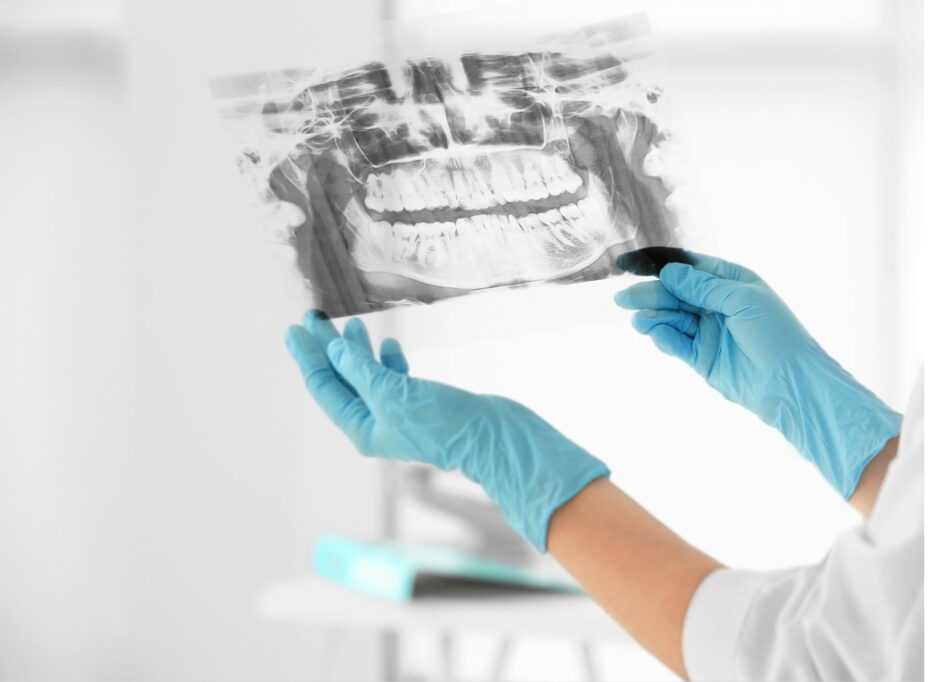
Your dentist will evaluate the condition of your affected tooth along with the adjacent gums. Additionally, dental X-rays will be taken to examine the bone levels and assess the degree of damage present. It is important to inform your dentist about any medications, vitamins, or supplements you are currently using. After collecting all necessary information, your dentist will thoroughly discuss the available treatment and sedation options with you.

What happens during a tooth extraction?

During a tooth extraction, the procedure begins with the administration of local anaesthesia to ensure that the affected tooth and the surrounding gum area are numbed effectively. The dentist then employs specialised instruments to gently loosen the tooth from its socket, carefully extracting it without causing unnecessary trauma to the surrounding tissues. In instances where the tooth is severely decayed or has fractured at the gum line, the dentist may need to make incisions in the gum to gain better access.

After the tooth is successfully removed, the dentist will clean and disinfect the socket to minimise the risk of infection. In certain situations, a dental bone graft may be placed to help maintain the integrity of the jawbone and prevent future bone loss. To conclude the procedure, stitches may be applied to facilitate proper healing of the gum tissue.

What happens after a tooth extraction?

After the tooth extraction procedure is finished, your dentist will position a gauze pad over the area where the tooth was removed and instruct you to bite down firmly and steadily. This action is crucial as it aids in minimising bleeding, allowing a blood clot to develop at the extraction site. The formation of this clot is a standard part of the healing process, as it not only facilitates recovery but also lowers the likelihood of complications such as dry sockets. Once the bleeding has sufficiently decreased, you can remove the gauze. It is important to note that some light bleeding may persist during the first 24 hours following the extraction.

Finance

For treatments over £1,000, we offer flexible financing options, including interest-free plans for 6, 12, or 18 months, and interest-bearing plans for 24, 36, 48, or 60 months. Use our finance calculator below to to calculate your rate.

Treatment Pricing

Total Price

Tooth Extraction
From £95
Denmark Street Dental

Finance Calculator

Finance is available for treatments up to £30,000. Credit decisions will be subject to your individual circumstances. You must be over 18 and earn an income to apply.

launch finance calculator

Frequently Asked Questions

What are the advantages of pulling a tooth?

Tooth extraction presents several significant advantages. Primarily, it helps eliminate harmful bacteria that pose a threat to the health of your teeth and gums. If a decayed or damaged tooth is not addressed, it can lead to a cascade of dental issues that compromise your overall smile. By opting for the removal of the problematic tooth, you enhance your prospects for maintaining excellent oral health. Furthermore, undergoing a tooth extraction can provide immediate relief from dental pain, particularly in cases where the tooth is severely fractured or infected.

What are the side effects of removing a tooth?

The removal of a tooth can lead to several common side effects, such as bleeding, swelling, and pain in the affected area. It is essential to follow the post-operative care instructions provided by your dentist to ensure a smooth recovery process and to effectively manage any discomfort that may arise during the healing period.

How long does it take to recover from a tooth extraction?

The duration of recovery following a tooth extraction can vary based on the intricacy of the procedure. Generally, individuals tend to return to their normal activities within a few days. While many can resume everyday tasks within 48 to 72 hours post-extraction, the complete healing of the jawbone typically requires several weeks. Consequently, if you intend to replace the extracted tooth with a dental implant, it is advisable to anticipate a waiting period of several months to ensure adequate recovery.

What can I eat after a tooth extraction?

After undergoing a tooth extraction, it is essential to be mindful of your dietary choices to promote healing. For the initial days following the procedure, steer clear of hard and crunchy foods that could irritate the extraction site. Instead, focus on stocking your refrigerator and pantry with soft, easy-to-eat options such as rice, pasta, eggs and yoghurt. Additionally, it is advisable to refrain from using straws when consuming liquids, as the suction can potentially dislodge blood clots and lead to complications like dry sockets.

I’m a little nervous – can you help?

In many cases, simply enlightening patients on what to expect from treatment can help to relax them. However, we completely understand that some patients need a helping hand for the treatment they need. We can offer IV sedation to help you relax throughout. You will find our team of dentists to be considerate, kind and professional individuals who care immensely about making you feel comfortable.

Do you offer finance for dental treatment?

Yes, we offer interest-free and interest-bearing finance so that high-quality dental care is accessible to all our patients.

I’m embarrassed about coming in – can you help?

We understand that coming in to seek implant-based treatments is a huge life event. Our clinicians are compassionate people who encounter many patients who feel self-conscious about the condition of their mouths. We understand how debilitating lost teeth can be, particularly on your confidence levels and your everyday happiness. We are very happy to book you in for a practice tour or an appointment with our treatment coordinator in a non-clinical setting before your consultation.

Who performs my treatment?

Multiple members of the Denmark Street Dental clinical team will be involved in the planning and treating your dental care. This includes dentists, dental nurses, dental technicians and sedation dentists, who work seamlessly together to deliver predictable results.

Can you offer sedation?

We do. Sedation is invaluable for helping extremely anxious patients relax during their treatment.

Why choose Denmark Street Dental for my dental treatment?

As a specialist-led practice, we’re fortunate to have the talents of some extremely gifted and experienced dentists. With the latest technologies at our disposal, the planning and execution of your treatment journey will be seamless and precise. You can expect to be looked after by caring professionals who have a genuine passion for what they do. All of our dentists are continuously engaging in advanced training to remain the best in their field.

Book now

Book your free consultation

Do you want a better smile but not sure where to start?

book-your-free-consultation-thumb
thumb1 instagram
thumb2 instagram
thumb3 instagram
thumb4 instagram
thumb5 instagram
thumb6 instagram
thumb7 instagram
thumb8 instagram
View on instagram
4.8
Google Rating